


Wild Light and Quiet Lines

Step into thin air with Analog Fieldcraft: Film Photography and Sketch Journals in High Country, where crisp alpine light meets deliberate craft. We’ll travel with mechanical cameras, pencils, and patience, learning to meter snow, sketch wind, and tell enduring mountain stories through emulsions, pigments, and attentive notes that reward slowness and resilience.

Reliable Cameras and Lenses

Mechanical shutters shrug off freezing dawns better than sluggish batteries, so consider classics with recent service and seals. Favor lightweight primes with shared filter threads and deep hoods to combat flare at altitude. Tape focus marks, carry a body cap, and avoid changing lenses in gusty, crystalline spindrift.

Film Stocks for Harsh Sun and Snow

Alpine UV and glittering snow compress contrast and tease color casts, so pick forgiving emulsions with generous latitude. Portra 400 handles mixed light gracefully; Ektar 100 loves clean midday sun; Tri-X pushes through storms. Bracket sparingly, overexpose color negative slightly, and note filtration to repeat wins later.

Metering Bright Peaks and Tricky Shadows

Snow, Granite, and Exposure Compensation

Treat glittering slopes like a bright subject you intend to keep luminous. Spot meter a textured area and add one-and-a-half to two stops for most color negatives; slightly less for slide. For dark rock in shade, meter the shadow you want detailed, then develop or print to shape contrast gracefully.

Haze, UV, and Polarizers

At altitude, scattered blue and fierce UV can flatten distance. A polarizer deepens sky, controls reflections on lakes, and slightly tames haze, but mind two stops of loss. UV filters protect, yet lens hoods usually do more. Sketch atmospheric layers to remember separation cues your negatives cannot fully hold.

Reciprocity, Long Exposures, and Cold

Glacial streams and timid stars invite long shutters, where films misbehave. Check reciprocity charts, add time generously for slide emulsions, and protect batteries near your body. Mechanical timers or bulb with cable release work flawlessly in snow. Write raw times, corrected times, and temperature, then compare results during development.

Pages That Map Light and Wind

Divide a spread into compass quadrants and note sun angles, cloud build, and gust patterns as you rest. A few contour lines anchor distances. Later, these cues clarify why a frame failed or shone, guiding timing for return hikes and previsualizing movement across peaks, passes, and cirques.

Watercolor Notes That Complement Negatives

A thumb-sized wash records temperature of light better than memory. Mix a cool blue for shadowed snow, a warm gold for larch at dusk, and a muted violet for storm bellies. Pin these swatches beside contact sheets, translating palette decisions into filtration, paper choice, and gentle dodging during printing.

Writing Prompts to Deepen Observation

Begin with questions your lens cannot answer. What does thin air smell like near the moraine? How did ravens announce weather? Which ridge hummed with katabatic wind? These prompts create narrative through-lines, helping you sequence images meaningfully and sketch scenes that enrich later edits with grounded, sensory memory.

Sketch Journals as Field Guides

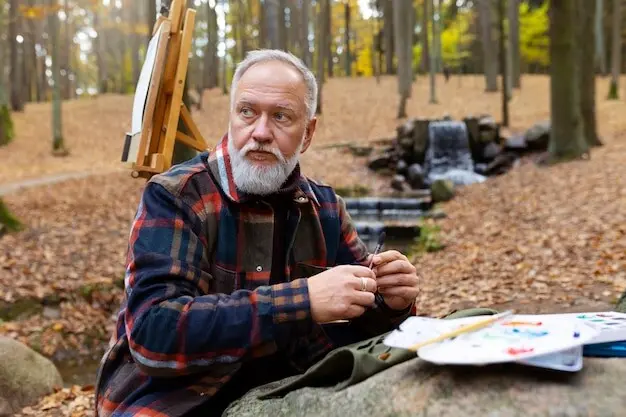
Drawing slows the eye until edges, rhythms, and microclimates announce themselves. Quick lines show wind direction, snow sparkle, and stream movement, granting context your negatives alone might miss. Pair notes about smells, sounds, and footing with thumbnails, then use them to plan frames that breathe with place and moment.

Foreground Anchors at Treeline

Use lichen stones, krummholz, or alpine flowers as anchors that introduce scale without stealing attention. Shift slightly to separate shapes, removing mergers that confuse depth. A quick pencil thumbnail tests balance before spending frames, ensuring diagonals lead eyes toward distant ridges and that the story breathes through layered space.

Cloud Drama and Temporal Sequences

Build narratives by spacing exposures as fronts arrive, letting billows sculpt light across minutes instead of chasing chaos. Note intervals in your journal and later print as triptychs. The sequence reveals cause and effect, honoring patience, forecasting, and the mountain’s mood swings better than any single triumphant frame.

Process in Camp and Darkroom

Field discipline continues under red light. Number rolls, log frames, and isolate dust. Cold nights stiffen tape and curl leaders, so plan gentle handling. Later, match chemistry to intent, letting your notes steer agitation, temperature, push or pull, and the final rendering that mirrors how the air felt.

Stories, Safety, and Community

Thin air rewards humility and generous company. Share routes, water sources, and storm lessons alongside photographs, and always leave room for local knowledge. Prioritize weather windows, navigation, and turnaround times so art never outranks life. Then invite readers to compare notes, swap scans, and sketch together next season.

A Lesson From a Frozen Shutter

On a predawn ridge the mercury sank fast, and my battery died mid-metering. I trusted yesterday’s notes, opened up for snow, and bracketed one stop. The negative sang. The takeaway: redundancy, rehearsal, and calm habits protect vision when comfort vanishes and decisions compress under gusts and glittering ice.

Finding Partners and Sharing Routes

Good company multiplies safety and stories. Seek hikers who respect slowness and silence while you meter or sketch. Trade GPX tracks, agree on hand signals, and build a tradition of post-trip print swaps. Community feedback reveals blind spots and sustains momentum when weather, work, or self-doubt crowd your calendar.
Join the Ongoing Conversation

Tell us which film sings for your altitudes, where you stash notebooks, and how you meter for blinding noon. Post scans, page spreads, and contact sheets, and ask questions openly. Subscribe, comment generously, and help refine fieldcraft so every return to thin air feels wiser, kinder, and richer.

Daxinilodarilumavarotorazavo
Privacy Overview

This website uses cookies so that we can provide you with the best user experience possible. Cookie information is stored in your browser and performs functions such as recognising you when you return to our website and helping our team to understand which sections of the website you find most interesting and useful.